A consortium of seven Japanese companies has embarked on an ambitious project to establish the world's first commercial ammonia fuel supply chain for four new ammonia-fuelled car carriers, a move that could revolutionize sustainable maritime shipping practices in Japan and beyond. The initiative brings together major players including Imabari Shipbuilding, Kawasaki Kisen Kaisha (K Line), Kyokuyo Shipyard, JERA, Shin Kurushima Dockyard, Nippon Yusen Kabushiki Kaisha (NYK) and Nihon Shipyard. According to Container News on 2026-10-27, the project aims to integrate ammonia bunkering infrastructure with vessel construction, making it a comprehensive effort in alternative fuel adoption.
Project Partners
The companies involved in this project span various sectors critical to the initiative's success. Imabari Shipbuilding will contribute its expertise in shipbuilding, while K Line and NYK are responsible for the operation of the new carriers. JERA is involved in fuel supply and bunkering infrastructure development, leveraging its experience in energy trading and supply chains. Shin Kurushima Dockyard and Nihon Shipyard will handle the construction of the ammonia-fuelled car carriers.
Ammonia Bunkering Infrastructure
The project includes the establishment of a dedicated commercial bunkering facility in Japan’s Chubu region, with JERA’s Hekinan terminal at the forefront. The bunkering operation will be supported by a Kyokuyo-built vessel designed to provide ship-to-ship (STS) bunker deliveries from Nagoya and Mikawa ports. This specialized vessel will feature advanced systems to prevent leakage and address ammonia's toxic and corrosive properties, as highlighted in the statement issued by ship.energy on 2026-10-27.
Ammonia-Fuelled Car Carriers
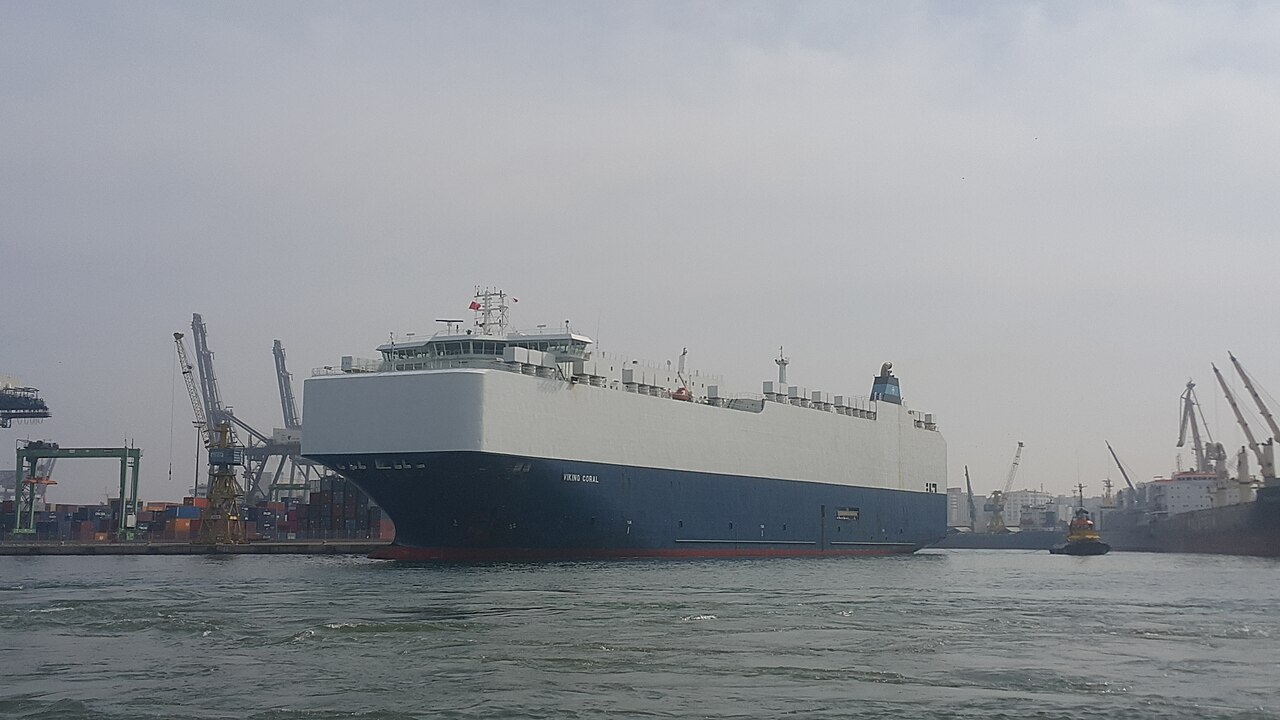
The four new ammonia-fuelled car carriers are scheduled for delivery by 2030. The vessel construction will be handled by Shin Kurushima, Imabari Shipbuilding, and Nihon Shipyard. K Line and NYK each plan to operate two of these vessels, aligning with their commitment to sustainable shipping practices. As reported by Seatrade Maritime News on the same date, this project is part of Japan's broader strategy to reduce carbon emissions in its maritime sector while demonstrating leadership in the development of alternative fuels.
What This Means for Operators
The introduction of ammonia-fuelled car carriers marks a significant shift towards cleaner shipping operations. For operators such as K Line and NYK, this project represents an investment in future-proofing their fleets against stricter environmental regulations and public demand for sustainable practices. However, the adoption of ammonia presents challenges related to safety and operational logistics that will require careful management. The success of this initiative could pave the way for wider industry acceptance of ammonia as a viable alternative fuel, potentially influencing global shipping strategies towards more environmentally friendly solutions.
Dieser Artikel wurde mit Unterstützung eines KI-Systems erstellt und vor Veröffentlichung von der Redaktion geprüft. Quellen sind unten aufgeführt.
Verwandte Unternehmen in unserem Verzeichnis
- Imabari Shipbuilding — Shipyard
- IMABARI SHIPBUILDING CO, LTD — Posidonia 2024 products/services: Shipbu
- KAWASAKI KISEN KAISHA LIMITED ('K' LINE) (70.0%) & INPEX SHIPPING COMPANY LIMITED (30.0%) — ケイラインファクトリーは、イベントを成功させる道をつくります。BtoBを中心とす
- KAWASAKI KISEN KAISHA LIMITED (KAWASAKI KISEN KK) ('K' LINE) —
- KYOKUYO SHIPYARD CORPORATION (KSC) — Mehrzweck
Erwähnte Ausrüstung — technische Daten
- Kawasaki — 221 models in the library
- RoRo Equipment — equipment category
- Fuel Oil Treatment — equipment category
Mehr aus Newbuilds & Orders
Weitere Meldungen
- Stability Booklet Verification: What Operators Need to Know · Knowledge
- Iran Claims Seven Vessels Hit Near Hormuz; US Disputes Reports · Casualties & Safety
- China Dominates Green Shipping Corridors with 20 Initiatives · Regulation & Class
- Iranian Attacks Target Oil Tankers in Persian Gulf · Casualties & Safety
- Global Bunker Fuel Availability: Tightness in Europe and East Asia · Ports & Logistics
- US Imposes Sanctions on Law Firm Linked to Iran's Shadow Fleet · Regulation & Class
