Orders for alternative-fueled vessels surged significantly in October 2026, with a total of 53 new builds recorded across various vessel types and fuels. According to DNV’s Alternative Fuels Insight (AFI) platform, this marks an increase of 77% year-on-year from the same period in 2025.
LNG Leads the Charge
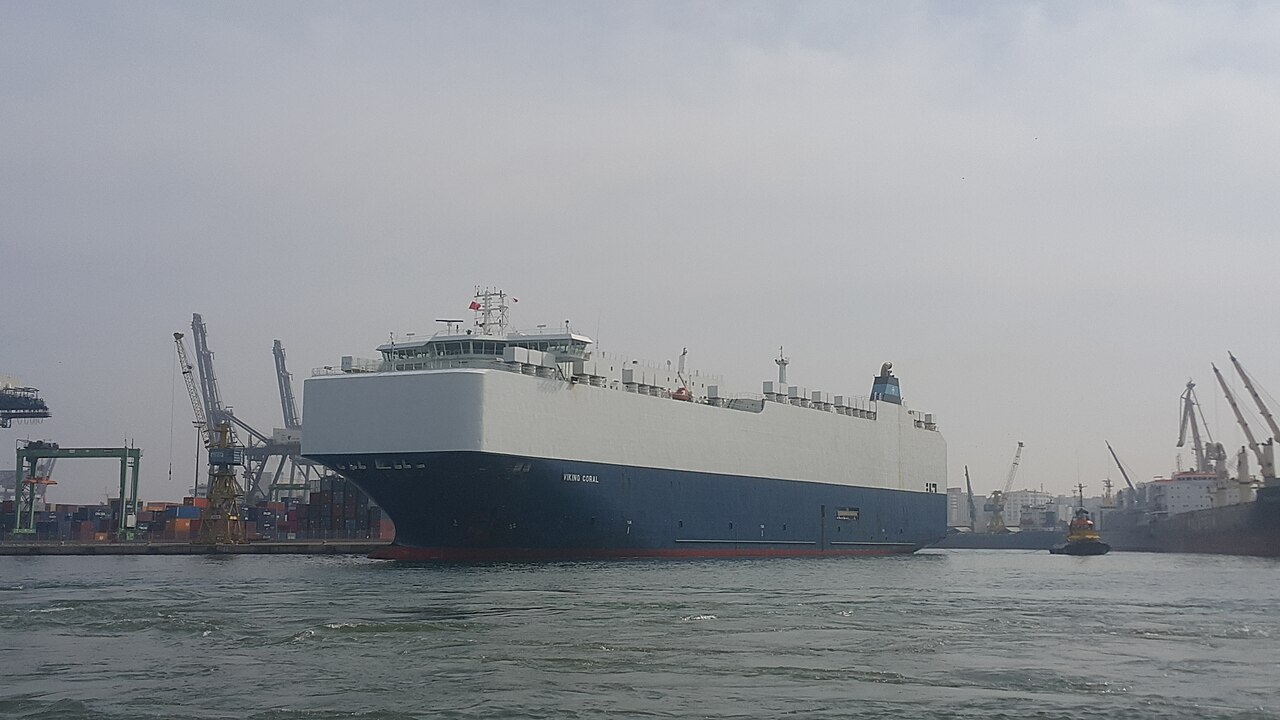
The majority of these new orders were for LNG-powered vessels, with 30 orders placed specifically for such ships. This figure represents a continued trend, as LNG has accounted for approximately 63% of all alternative-fueled vessel orders so far in 2026, according to DNV Maritime’s data. Among the orders recorded in October, container ships and car carriers were particularly prominent: 18 container ships and 12 car carriers.
Jason Stefanatos, Global Decarbonization Director at DNV Maritime, highlighted that LNG's dominance is bolstered by its established supply chain and growing bunkering network. “LNG’s continued prominence is also supported by the comparatively mature infrastructure and supply chain around the fuel,” he said.
Diverse Fleet Development
While LNG remains the clear favorite, other alternative fuels are making progress. In October, 19 orders were recorded for LPG carriers, indicating a growing interest in this segment of the market. Additionally, there was a notable increase in ammonia-fueled vessel orders with four car carriers added to DNV’s database. This represents another step towards commercial adoption of ammonia as a marine fuel.
Stefanatos further noted that these newbuilds are driven by segments closely linked to consumer supply chains, where the benefits of LNG's established infrastructure become particularly advantageous. “Together, container ships and car carriers account for almost nine in ten LNG-fuelled orders placed this year,” he explained.
Year-to-Date Totals
The impressive pace of contracting observed since summer has resulted in a total of 364 alternative-fueled vessel orders as of October 2026. This is a significant increase, representing a rise of 57% compared to the same period in 2025.
Container ships continue to lead the pack with 134 LNG-fuelled orders, while car carriers follow closely behind with 75 orders. These figures underscore the pivotal role that shipping segments connected to consumer supply chains play in driving uptake of alternative fuels.
Moving Towards Lower-Carbon Alternatives
The growing interest in lower-carbon alternatives is further evidenced by recent third-party reports and vessel naming events. Qatar Gas Transport Company (Nakilat) has named nine new gas carriers at three South Korean shipyards, marking significant progress in the sector.
Moreover, advancements in technology support this trend with the introduction of a new submersible auxiliary thruster designed by SCHOTTEL to improve maneuverability, showcasing ongoing innovation within the industry.
What This Means for Operators
The surge in LNG-fueled vessel orders highlights the current preference among shipowners for LNG as an immediate and practical solution towards decarbonization. However, the increasing interest in ammonia suggests that there is a long-term vision to transition towards even lower-carbon alternatives.
Ship operators should focus on leveraging the mature supply chain around LNG while preparing for future changes driven by emerging technologies like ammonia. This dual approach will provide them with both short-term benefits and long-term flexibility, ensuring they remain competitive in an increasingly environmentally conscious market.
Related coverage
Dieser Artikel wurde mit Unterstützung eines KI-Systems erstellt und vor Veröffentlichung von der Redaktion geprüft. Quellen sind unten aufgeführt.
Verwandte Unternehmen in unserem Verzeichnis
- Qatar Gas Transport Company Ltd — Qatar Reederei LNG SIGTTO
Erwähnte Ausrüstung — technische Daten
- Schottel — 301 models in the library
- Bow/Stern Thrusters — equipment category
- Gas Carrier Systems — equipment category
- RoRo Equipment — equipment category
Themen: Decarbonisation, EEXI and CII · LNG, methanol and ammonia as marine fuels · Shipyards, orderbook and newbuilding
Mehr aus Newbuilds & Orders
Weitere Meldungen
- US says Hormuz lanes mine‑free as tanker hit underlines lingering threat · Casualties & Safety
- Astro Offshore and Oceaneering seal MOU to deliver integrated subsea solutions · Offshore & Energy
- DNV forecasts five‑fold rise in low‑GHG bunker demand if IMO adopts Net‑Zero Framework · Regulation & Class
- 70 Vessels Queue Near Danube Canal for Ukrainian Grain · Ports & Logistics
- Russia Strikes Ukrainian Ports, Industrial Sites, Distribution Facilities · Ports & Logistics
- Russia bombs five ships in Black Sea, claims they carried military supplies to Ukraine · Offshore & Energy
